



True-story crime dramas remain among the most watched categories on streaming platforms. Series and films based on hostage situations, kidnappings, cybercrime, and financial scandals continue to attract large international audiences. Data published by Netflix regularly shows crime and thriller titles ranking highly across multiple regions, while research from Parrot Analytics indicates that suspense-driven dramas consistently generate strong global demand because viewers are emotionally invested in realistic outcomes.
Streaming audiences also spend more time discussing fact-based thrillers online after watching them. Reviews, discussion forums, and commentary videos often extend the life of a title beyond its release week. Commentary connected to high on films Nederland conversations about international thriller storytelling reflects this growing interest in realistic hostage narratives and psychologically driven suspense. These discussions show how viewers increasingly look for stories that feel connected to real events rather than purely fictional spectacle.
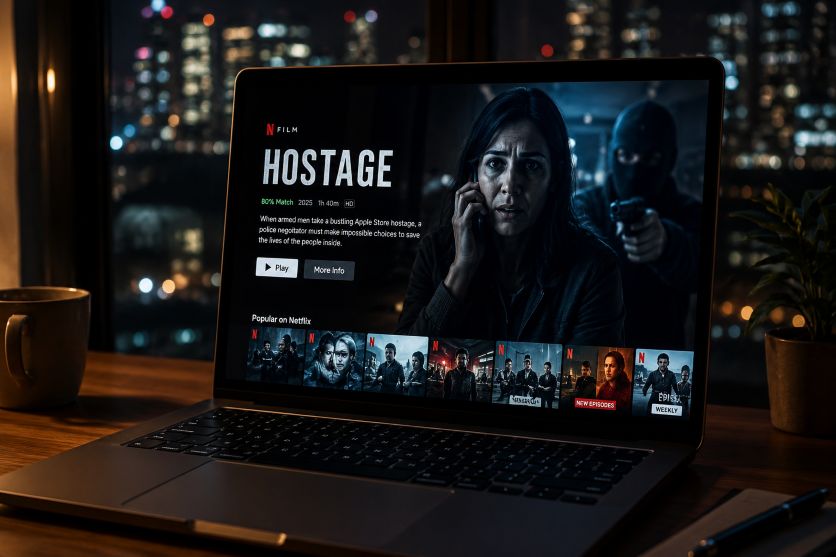
Why Realistic Thrillers Feel More Intense
Psychological realism changes how audiences experience suspense. Fictional action films often rely on exaggerated explosions, impossible escapes, or stylized villains. True-story streaming thrillers usually move in a different direction. They focus on uncertainty, fear, negotiation, and emotional pressure.
The American Psychological Association notes that audiences often experience stronger emotional reactions when stories appear believable or socially relevant. A hostage drama inspired by real events can feel more immediate because viewers understand that similar incidents have happened in real life. That realism creates tension even during quiet scenes.
Modern streaming thrillers also spend more time building atmosphere. Instead of rushing toward action sequences, many productions focus on surveillance footage, phone calls, media reactions, or conversations between investigators and victims. This slower pacing increases suspense because viewers begin imagining how ordinary people react under extreme pressure.
Several internationally produced thrillers have adopted this style in recent years. European streaming dramas, South Korean crime series, and Nordic hostage films often prioritize emotional realism over spectacle. Industry analysts at Variety have observed that global audiences now respond strongly to regionally grounded thrillers because they provide cultural authenticity while still delivering universal tension.
Streaming Platforms Expanded International Thriller Demand
Streaming services changed how audiences discover international entertainment. Before global streaming platforms became dominant, many foreign-language thrillers struggled to reach viewers outside their home countries. Today, subtitles and dubbing have become normalized viewing habits.
Research published by Deloitte Digital Media Trends shows that younger viewers are increasingly comfortable watching non-English programming if the storytelling feels compelling. Crime and suspense genres benefit greatly from this shift because tension often translates across languages and cultures.
Shows like Money Heist, Narcos, and multiple Scandinavian crime dramas demonstrated that viewers are willing to follow complex international stories when emotional stakes remain strong. Hostage narratives are particularly effective because they immediately establish urgency. Audiences understand danger quickly, even when the setting, language, or political background differs from their own experience.
Global streaming also encourages producers to develop stories inspired by local headlines. Media coverage of real crimes frequently becomes the basis for documentaries, dramatized recreations, or hybrid thriller formats. Experts at Reuters Institute for the Study of Journalism note that modern audiences increasingly consume entertainment and news side by side, creating overlap between journalism and dramatic storytelling.
The Role of Media Coverage in Audience Curiosity
Public fascination with real-world crime stories is not new. Television networks built successful programming blocks around investigative reporting decades ago. Streaming platforms expanded this curiosity by offering deeper and more cinematic storytelling.
News coverage often acts as the first introduction to a real incident. Later, streaming dramatizations allow audiences to revisit those events with additional emotional context. Viewers become interested in motivations, psychological pressure, and behind-the-scenes decision-making.
Pew Research Center data indicates that audiences consume large amounts of true-crime-related content because they want to understand human behavior and social risk. Hostage thrillers tap into these same instincts. Viewers watch to understand how fear, negotiation, authority, and survival interact under pressure.
Audience viewing habits also vary depending on mood and emotional preference. While many viewers enjoy intense crime dramas and hostage thrillers, others balance darker entertainment with lighter relationship-focused films and nostalgic storytelling. Discussions around classic romance movies for couples reflect how streaming audiences often move between emotional comfort viewing and psychologically tense narratives depending on the experience they want.
Streaming productions frequently recreate media environments inside the story itself. News broadcasts, social media reactions, and live coverage become part of the suspense. This layered storytelling mirrors how real crises unfold in modern society.
That approach also makes the viewing experience feel contemporary. Audiences recognize the role smartphones, viral footage, and online speculation now play during public emergencies. The realism becomes stronger because the storytelling reflects modern communication habits.
Why Psychological Tension Works Better Than Excessive Action
Many successful streaming thrillers avoid constant action scenes. Instead, they focus on emotional strain. Small decisions become major turning points. Silence, hesitation, and uncertainty often replace loud dramatic sequences.
The British Film Institute has highlighted how restrained suspense techniques can create longer-lasting audience engagement compared to high-volume action storytelling. A carefully paced hostage conversation can feel more stressful than a large explosion because viewers imagine themselves inside the situation.
This storytelling style also supports stronger character development. Viewers spend more time understanding the fears and motivations of both victims and perpetrators. Some productions even examine the failures of institutions, media systems, or crisis management structures.
International thriller reviews and film-analysis communities continue discussing these themes because they reflect broader social anxieties. Economic pressure, political instability, cybersecurity threats, and public distrust all influence how audiences interpret modern crime dramas.
Critics covering European and international streaming releases frequently point out that realism increases emotional credibility. Instead of treating crime as entertainment spectacle, many newer productions approach it as a study of stress, trauma, and public reaction.
Global Storytelling Is Becoming More Important
Streaming services compete in a crowded entertainment environment. One way platforms differentiate themselves is by investing in regional storytelling with international appeal. Thrillers inspired by real incidents travel well because tension is universal.
Statista reports that streaming subscriptions continue growing across Asia, Europe, and Latin America, encouraging platforms to develop localized productions for worldwide distribution. A hostage thriller produced in the Netherlands, Spain, or South Korea can now trend globally within days.
This shift also changes audience expectations. Viewers increasingly look for grounded narratives rather than formulaic blockbuster stories. They want emotional realism, cultural detail, and suspense that feels connected to reality.
Film discussion communities, review platforms, and international cinema blogs contribute to this trend by helping viewers discover lesser-known thrillers from different countries. Conversations surrounding global suspense storytelling often focus on realism, pacing, and emotional authenticity instead of celebrity casting alone.
Conclusion
True-story streaming thrillers continue attracting global audiences because they combine realism with emotional suspense. Hostage dramas and crime narratives feel more personal when viewers recognize that similar events happened in real life. Psychological tension, media influence, and grounded storytelling create stronger emotional investment than exaggerated action alone.
Streaming platforms also transformed international entertainment discovery. Audiences now move easily between Hollywood productions and foreign-language thrillers, creating stronger demand for globally inspired crime storytelling. Reviews, discussion communities, and international thriller commentary continue shaping how viewers engage with these releases long after premiere week.
As streaming competition grows, realistic suspense dramas will likely remain important because they reflect contemporary fears and communication habits. Fact-based thrillers grounded in emotional realism, cultural authenticity, and psychological pressure continue proving that audiences around the world are drawn to stories that feel believable, urgent, and socially connected.



 The entertainment industry moves fast on social media. Attention shifts quickly, and content competes every second. Instagram plays a strong role in how entertainment content spreads. Likes often influence what people choose to watch or follow. This has led some creators and brands to consider to buy Instagram likes (source: 인스타 좋아요 구매). The topic raises both interest and concern. This article explains buying Instagram likes in the entertainment space in a clear and balanced way.

 Both of you will be left in awe by these films if you are seeking a spectacular display of love in cinema:
 They’re great for staying in touch with loved ones no matter how far apart you live. To kick off your virtual game night, consider these imaginative ideas:









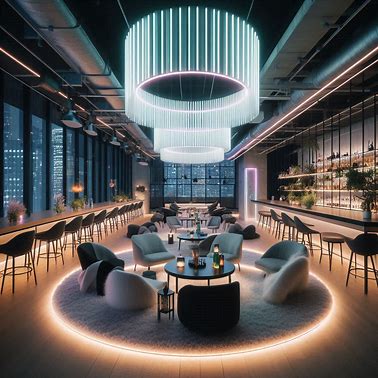 Jeju Island records millions of visitors each year, but beyond its beaches and volcanic landscapes lies another attraction that thrives when the sun sets. The nightlife here is more than neon bars and seaside pubs. At the heart of Jeju’s after-hours culture are private lounges and room salons, where themed interiors, curated entertainment, and discreet guest services create a unique kind of experience. These venues offer travelers and locals a chance to unwind in spaces designed for comfort and exclusivity.
 When it comes to hosting a successful event, having the right energy and presence on the floor matters. That’s where event models come in. These professionals help bring entertainment events to life by greeting guests, supporting brand activities, and maintaining a welcoming atmosphere. From music festivals to trade shows, event models play an important role in keeping things running smoothly while adding charm and excitement.


 You’re on set, the sun is blazing, the director is sweating through their call sheet, and your camera operator looks like they just ran a marathon—except all they did was press record. Yep, welcome to summer film shoots. Shooting outdoors in hot weather can become a survival mission if you’re unprepared. The heat can affect your crew’s energy, mess with your equipment, and even slow production.


 Sports broadcasting has grown beyond just live commentary of games. Today, it’s a blend of entertainment, analysis, and storytelling. This evolution makes it more engaging for viewers, giving them an immersive experience. With the rise of technology and media platforms, sports broadcasts now appeal to both die-hard fans and casual viewers alike. Whether it’s an intense football match or an emotional player interview, sports broadcast has become a form of entertainment in itself.